
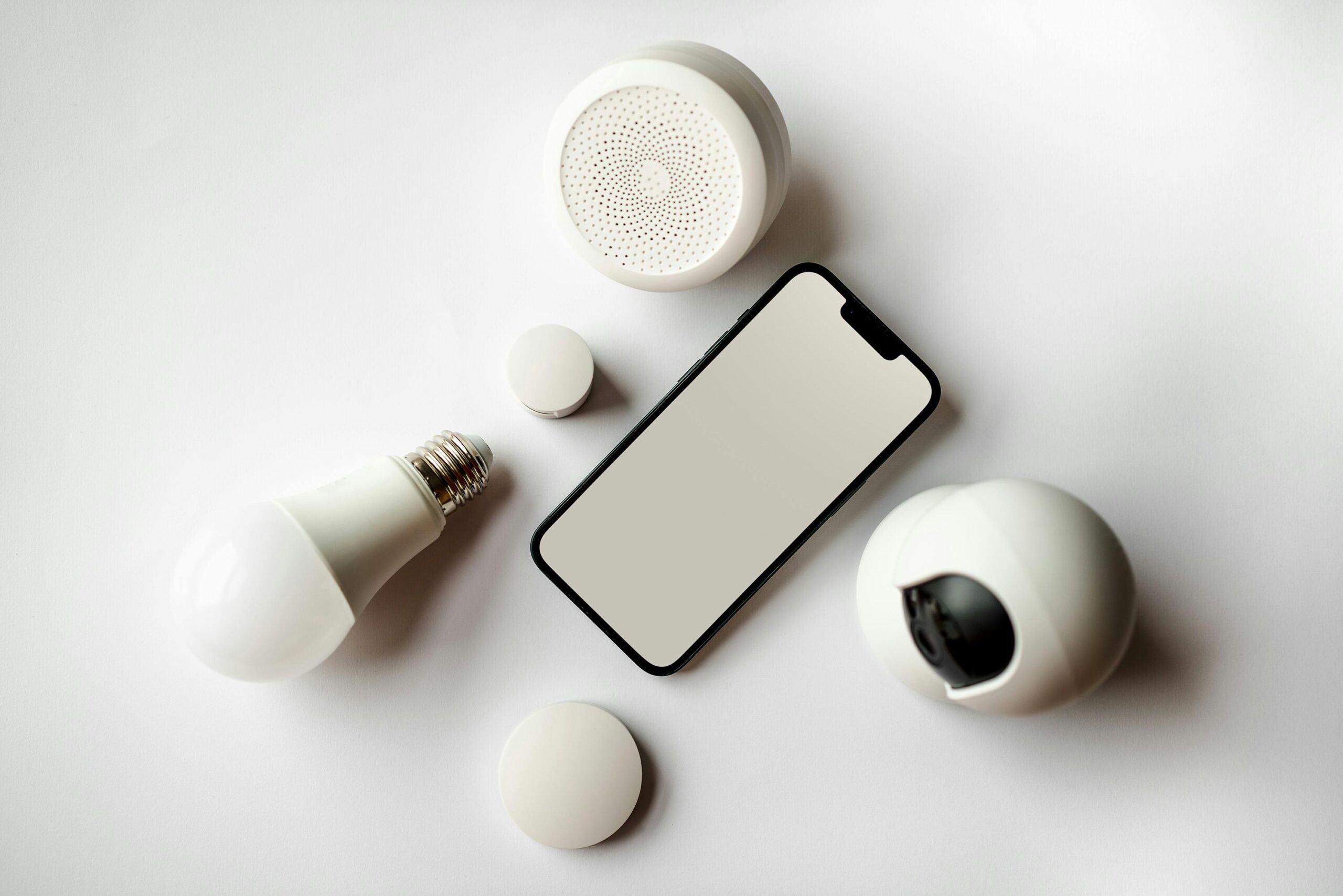

What Can Smart Home Do for You?
Smart homes used to sound like something from a science fiction movie. Today, they’re extremely common—and often surprisingly affordable. From saving money on energy bills to improving home security or simply making daily routines easier, smart home technology has come a long way.
Below is a breakdown of some of the most useful smart home categories available today, along with a few notable brands to consider if you’re thinking about upgrading your home. Some of these are even Canadian-owned!
Smart Thermostats
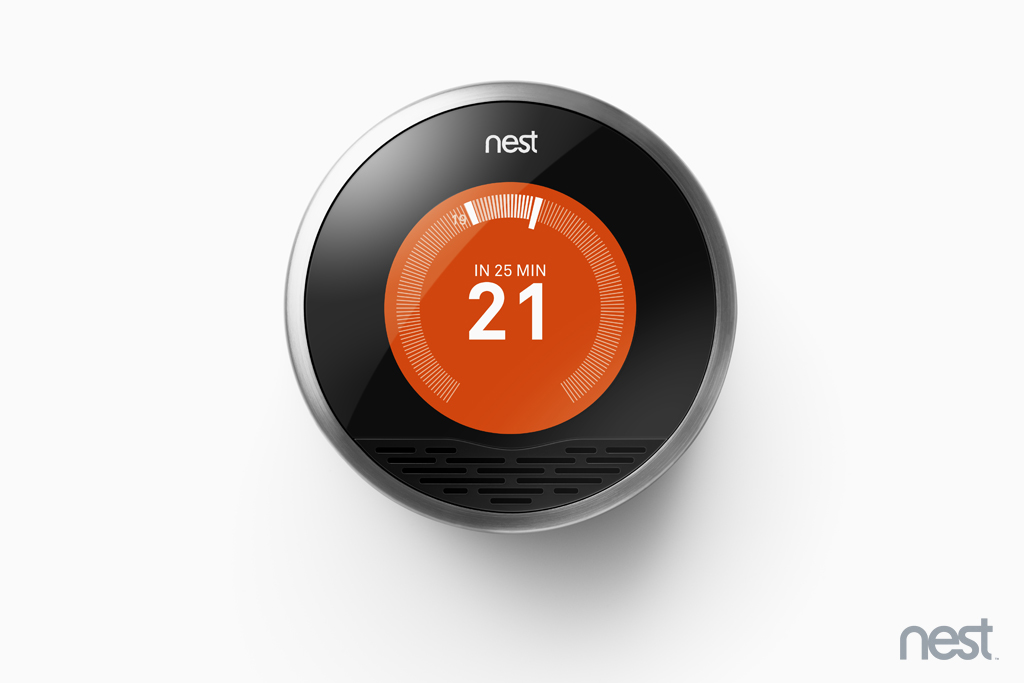
Smart thermostats were one of the first devices that brought smart home technology into the mainstream.
Their biggest advantage is automation and energy savings. Most allow you to create schedules or automatically switch between “home” and “away” modes based on whether someone is in the house. That means your home can lower the temperature while you’re at work and warm things back up before you return—saving money on utility bills without sacrificing comfort. Smart thermostats are also available for heated floors and electric baseboard heaters, which is particularly useful in many Canadian homes.
Two brands helped popularize this category: Google Nest and Ecobee. Ecobee is an interesting one for us Canadians—it was actually founded in Canada, but became American-owned in 2021 after being acquired by Generac Holdings. There’s also Honeywell who’s started getting into smart home too.
A strong Canadian-owned suite of products that’s gaining popularity is Sinopé, which many users praise for reliability and strong integrations. Like Ecobee, Sinopé devices can act as a hub for other smart home devices, making them a useful starting point if you want to build out a larger smart home system. If you’re somebody like me who values Canadian ownership, this is a company whose products you should be testing out (I know I want to!)
Smart Doorbells
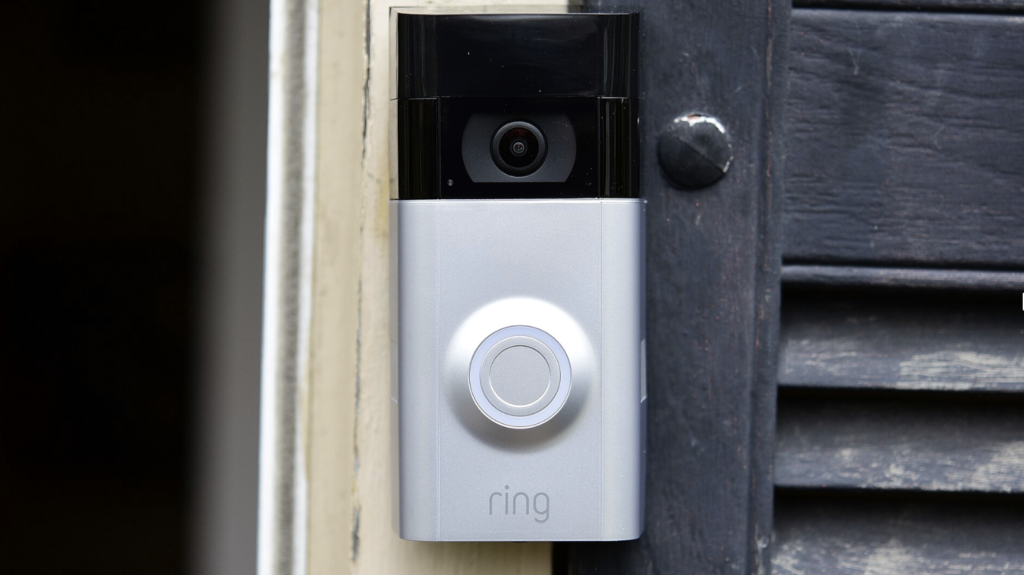
Video doorbells have become extremely common in the last decade. They allow you to see who’s at your door—even if you’re not home—and can send alerts directly to your phone.
The most widely recognized option is the Ring Doorbell, which became so popular that Amazon acquired the company in 2018.
Other major options include:
- Google Nest Doorbells
- Ecobee Smart Doorbells
These devices typically include features such as:
- Motion alerts
- Two-way audio
- Video recording
- Package detection
Smart Security Cameras
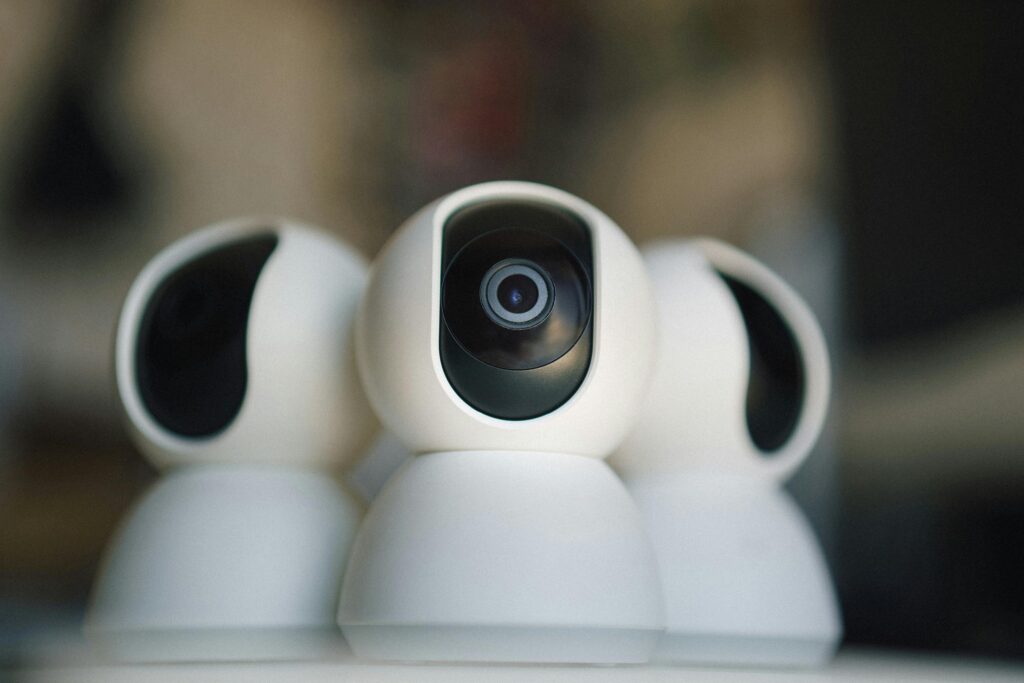
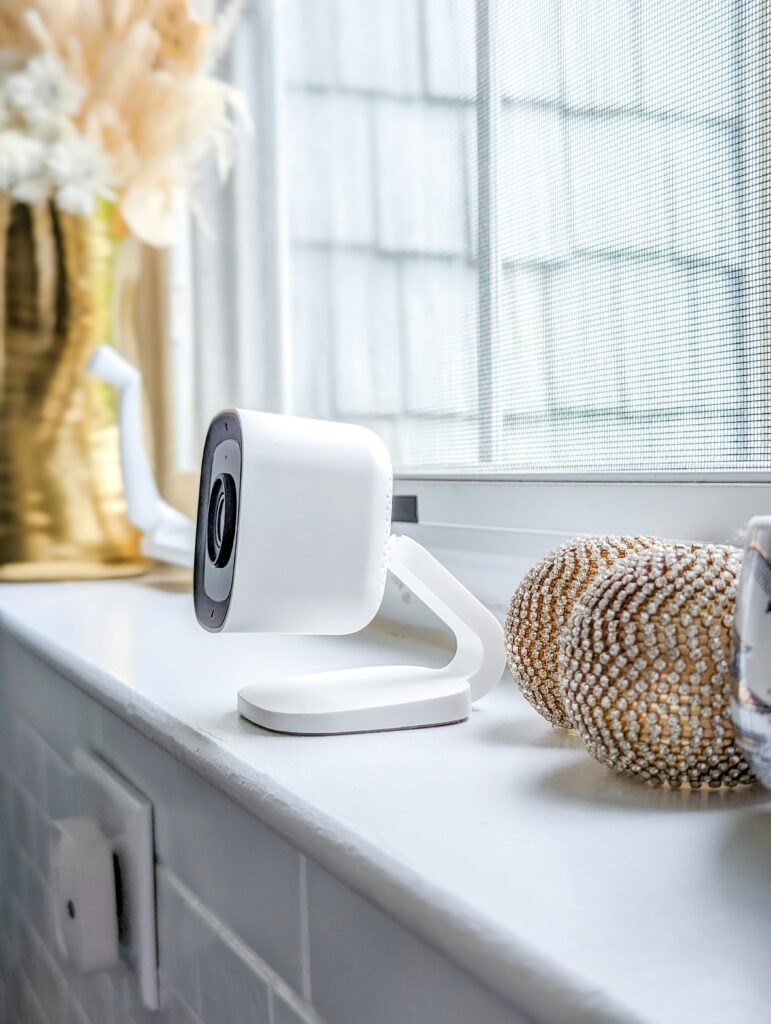
Smart security cameras allow homeowners to monitor their property from anywhere and have become a major part of modern home security.
Popular options include:
- Google Nest Cameras
- Netgear Arlo
- Amazon’s Ring and Blink
Battery cameras are convenient, but hardwired cameras generally provide better reliability and more advanced recording options. Continuous recording is a must these days, but will require being plugged into a power source and also an annual subscription.
Smart Lights
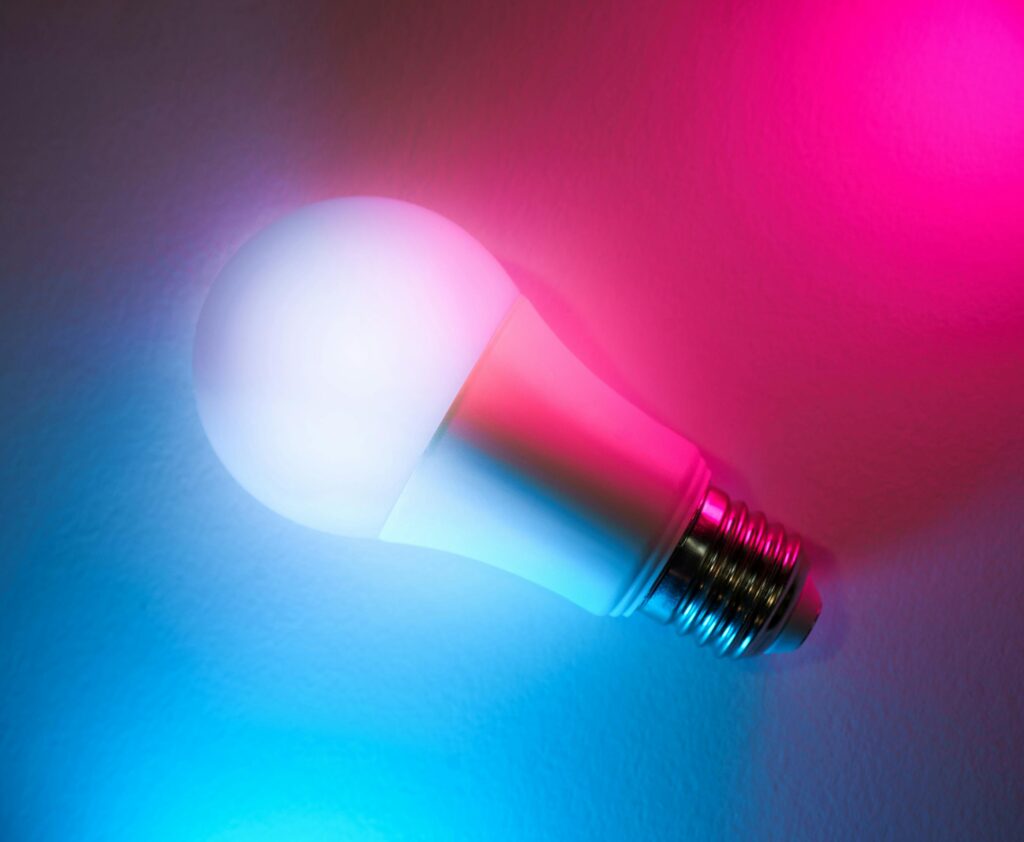
Smart bulbs are another very popular entry point into smart home technology.
They allow you to:
- Change brightness
- Adjust color temperature
- Set lighting schedules
- Use color lighting for mood or décor
The dominant brand here is Philips Hue, which has built one of the most robust smart lighting ecosystems available.
Other options include:
- Globe Electric
- LIFX
The market has also expanded significantly in recent years. Smart bulbs are now available in:
- Standard bulbs
- Decorative bulbs
- Shop lights
- Specialty lighting
Smart Light Switches, Plugs, and Outlets
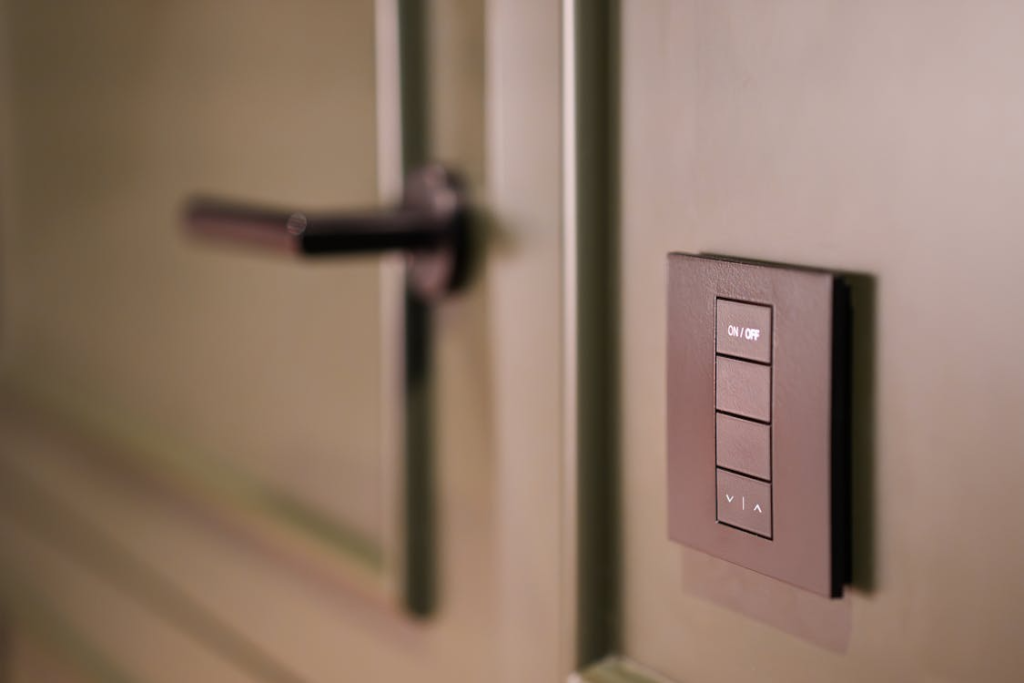
Smart lighting doesn’t just mean changing light bulbs—you can also install smart switches that control existing lights and replace existing light switches. This is a great hack for avoiding the common issue of somebody flicking the light switch off, and killing the connection to a smart bulb.
Some popular options include:
- Sinopé
- Globe Electric
- Philips Hue
- Leviton
Smart switches allow you to:
- Turn lights on/off remotely
- Schedule lighting
- Create routines (for example, turning on lights at sunset)
- Integrate lighting with motion sensors or voice assistants
There are also smart outlets that are similar to the light switches in that they can replace the existing wall outlet and add smart controls. This often looks better than using an external device like a smart plug or power strip.
Smart Locks
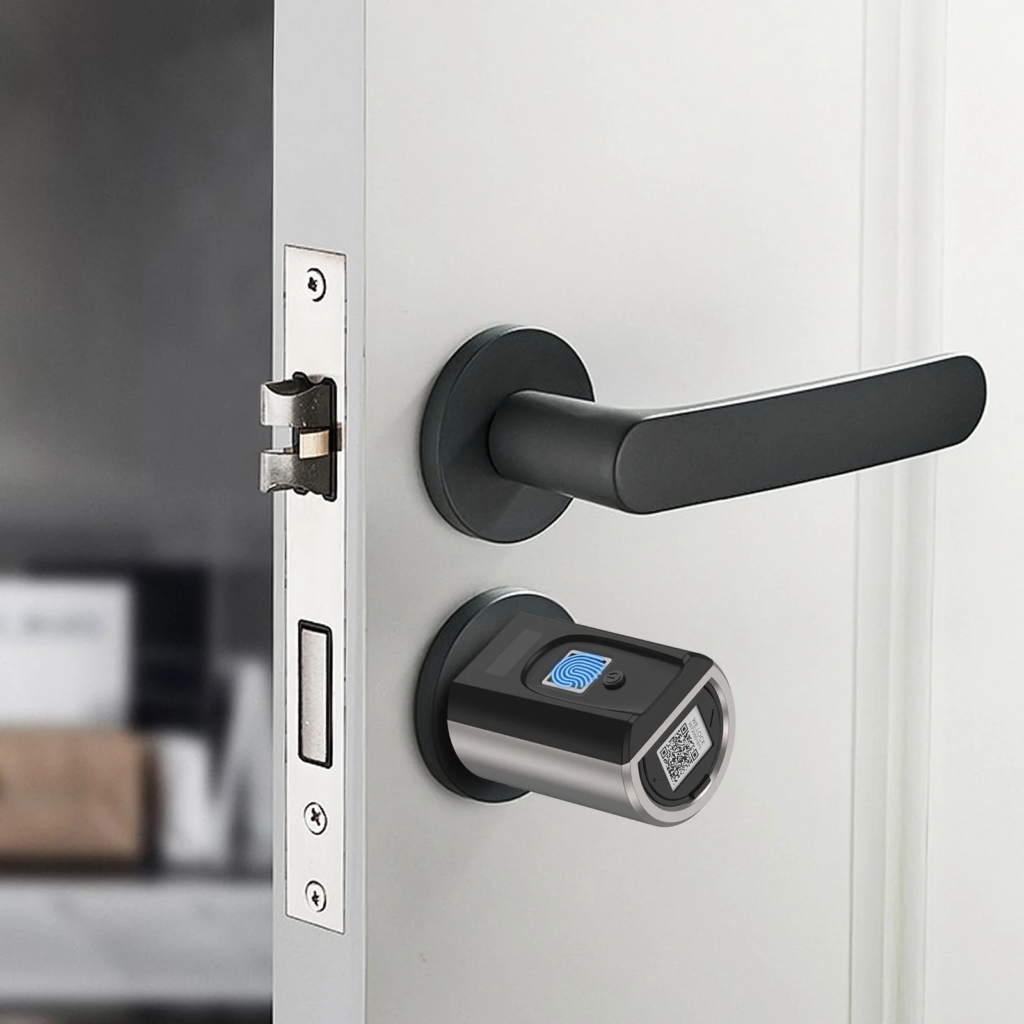
Smart locks allow you to lock or unlock your door remotely and often allow temporary access codes for guests, cleaners, or contractors. Some models integrate with video doorbells and cameras, allowing you to see who is at the door and unlock it remotely if needed.
Major options include:
- Yale Smart Locks (complete lock replacements)
- August Smart Locks (often retrofit onto existing locks)
- Weiser Smart Locks
- Alfred Smart Locks (Canadian-owned)
Smart Garage Door Openers
Another surprisingly useful upgrade is a smart garage door opener.
These systems allow you to:
- Check whether the door is open
- Open or close it remotely
- Receive alerts if it’s left open
Popular options include:
- Chamberlain
- Skylink (Canadian-owned)
If you’ve ever left the house wondering whether you closed the garage door, this technology can provide peace of mind.

Robot Vacuums and Robot Mops
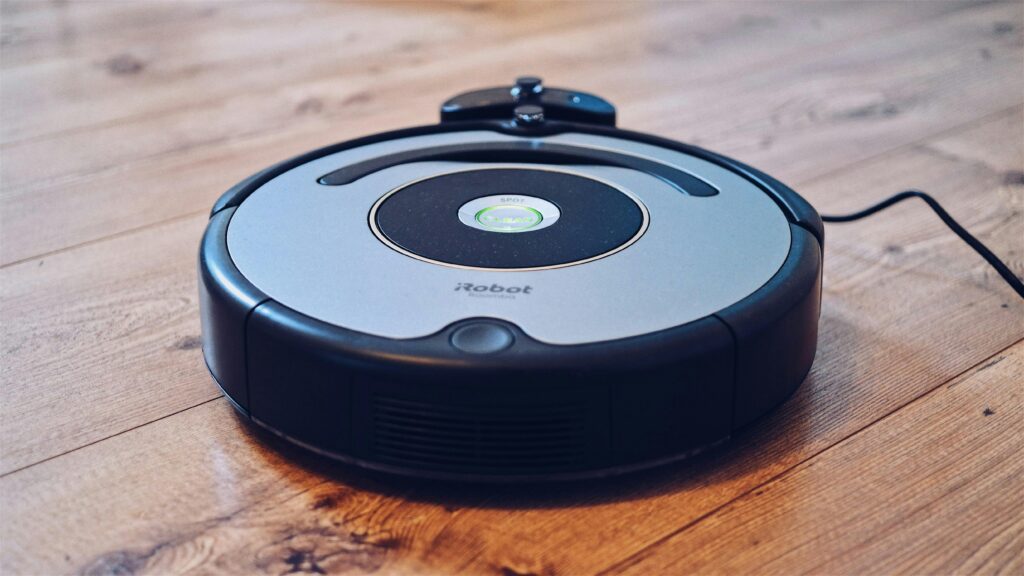
Robot vacuums have improved dramatically in recent years.
Modern models can:
- Map your home
- Avoid obstacles
- Empty their own dustbins
- Mop floors
- Avoid pet waste
Leading brands include:
- iRobot
- Shark
- Dyson
Higher-end models offer much more advanced mapping and navigation, which can make them far more effective in larger homes.
Smart Devices You Might Not Have Heard Of
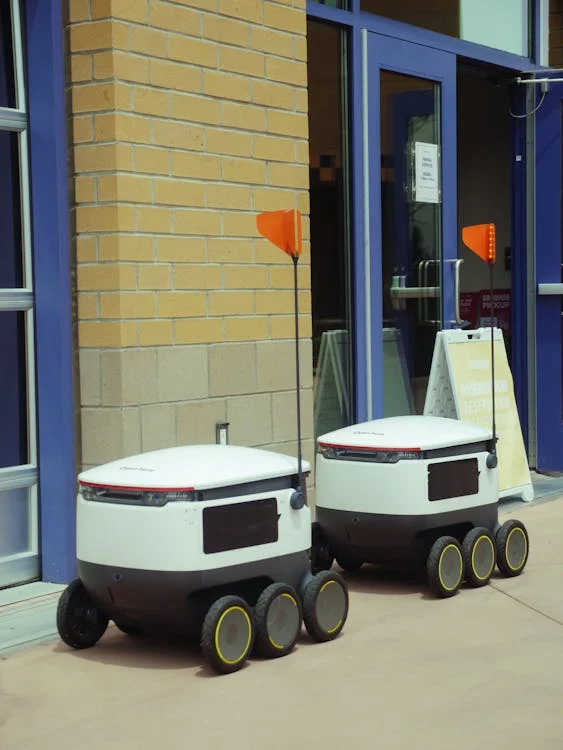
The smart home market continues to expand into some surprising areas.
For example:
Smart Blind Kits
Companies like Globe Electric offer kits that can convert existing pull blinds into smart blinds, allowing you to control them via app or voice assistant.
Smart Mattresses and Temperature Pads
Devices such as the BedJet 3 allow you to control bed temperature from a remote or smartphone app using a mattress topper. Some mattress manufacturers, including Tempur-Pedic, have also started integrating similar technology directly into mattresses.
Robot Lawn Mowers
Yes—robot lawn mowers exist.
Companies like Husqvarna have developed robotic mowers that can maintain a lawn automatically. While installation takes some time (usually involving a boundary wire), many users say the system saves them significant time during the week.
Smart Assistants – The Brain of the Smart Home
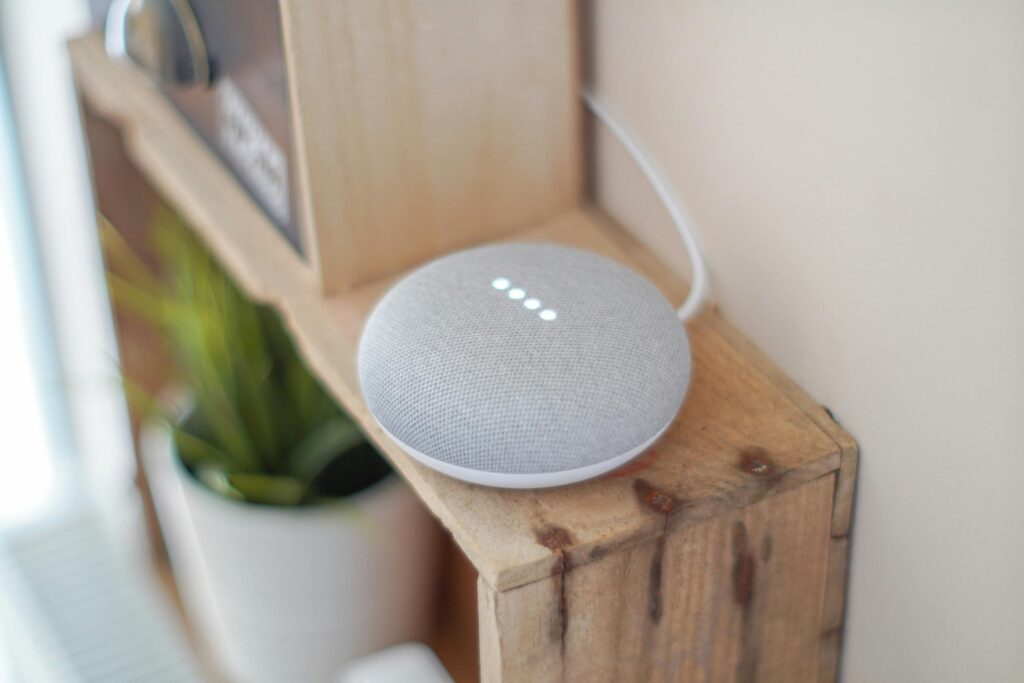
Smart assistants tie all of these devices together.
Apple HomeKit / Siri
Apple’s smart home ecosystem tends to be the most privacy-focused, but it’s also the most limited in terms of device compatibility.
The Home app can also feel less intuitive compared with other platforms. However, integration with Apple Watch and Siri can be extremely convenient for Apple users.
Google Home
Google Home excels at search and natural conversations, especially with recent AI improvements. Google was the first to
It integrates well with Google services such as:
- Google Calendar
- Google Tasks
- Google Assistant
However, users who rely on other ecosystems—such as Microsoft services—may find its integration options somewhat limited.
Amazon Alexa
Alexa remains one of the strongest platforms for complex routines and automations, allowing multiple devices to activate together. Amazon was also the first to launch a smart speaker, inspiring the various other products we see today.
For example:
- Turning off lights
- Locking doors
- Adjusting thermostats
- Arming security systems
All with a single command.
Alexa also integrates with multiple calendar services, which some users find more flexible than Google’s ecosystem.
Final Thoughts
Smart homes aren’t just about novelty anymore. When used well, they can:
- Save money on utilities
- Improve security
- Automate daily routines
- Make homes more comfortable and convenient
And the technology continues to improve every year.
For homeowners considering upgrades—or buyers looking for modern features—smart home systems are quickly becoming an important part of how we live.