
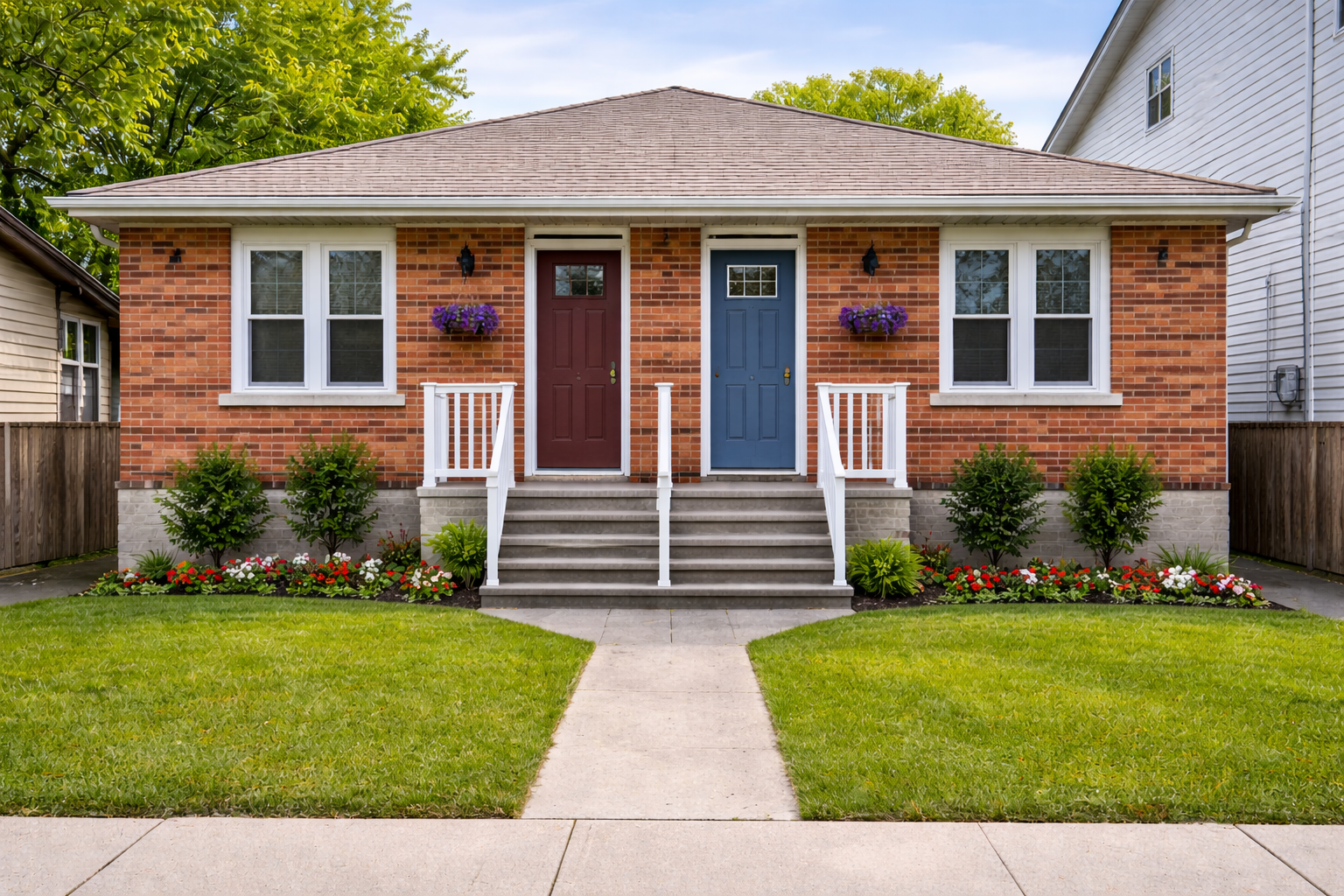

For many younger buyers and first-time home buyers, getting into the real estate market can feel almost impossible these days. Home prices are high. Rent keeps eating away at any chance of building savings. Down payments take years to build. There’s that crazy stress test requiring (uncommon nowadays) six-figure incomes for what are essentially starter homes. And by the time these buyers feel “ready,” the market has often moved upward again.
Homeownership is a key part of building one’s financial future. Financial advisors talk a lot about building equity you can use towards your retirement, but the new generation hasn’t been able to achieve this…..on their own anyway!
That is exactly why co-ownership for first-time buyers and younger buyers is getting more attention. Buying a home with friends, siblings, family members, or other people you can trust will make ownership of real estate more achievable, and sooner. This means you’ll gain more equity over your lifetime.
By combining resources, budgets/approval amounts are higher, with down payments and other closing costs split up between the owners so they’d pay less than they would be paying on their own. Most importantly, this can help younger buyers start building equity earlier instead of spending years building somebody else’s equity. And the property they’d own would be nicer and in better shape from the start.
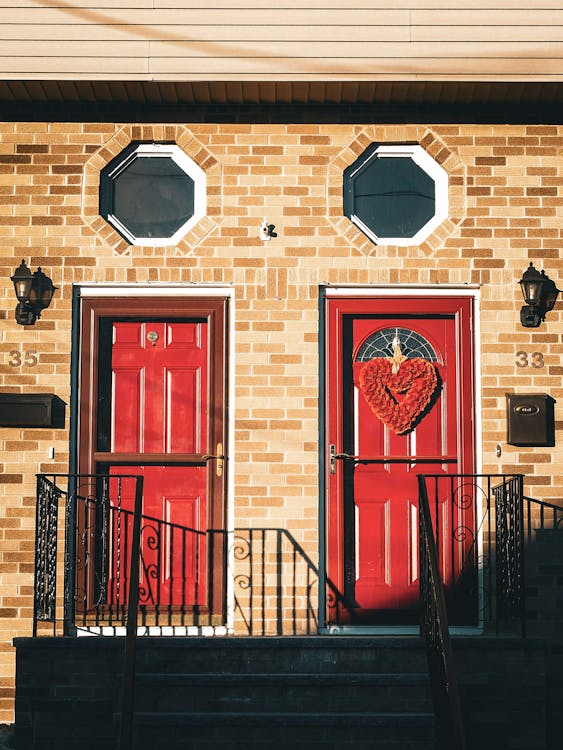
Let’s Clear the Air: No Roommates, No Shared Spaces
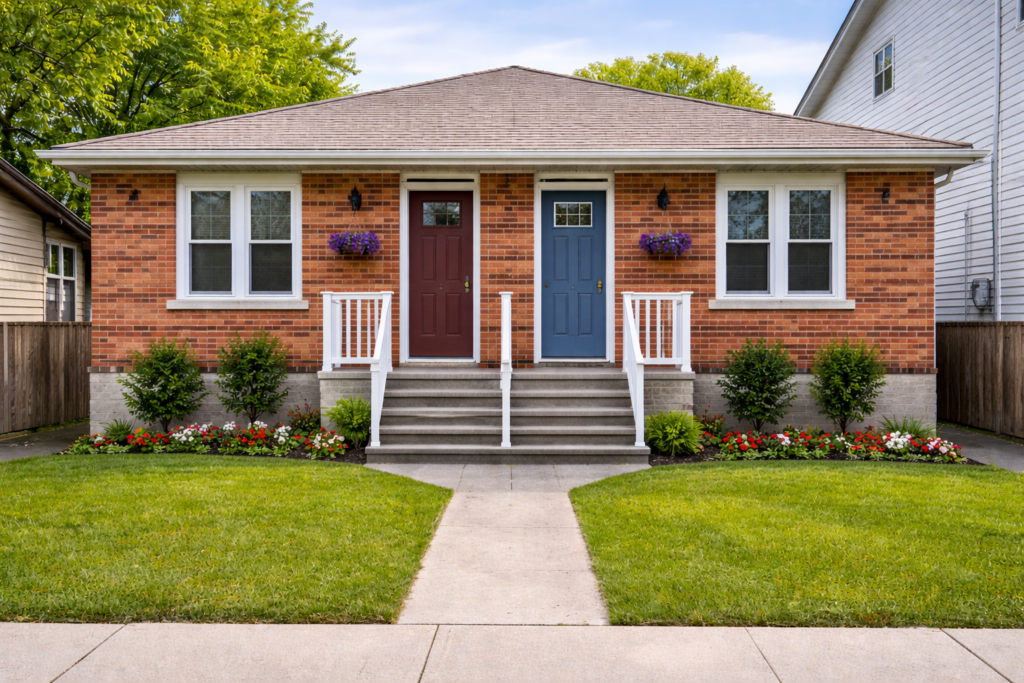
Co-ownership, especially when properly planned, does not have to involve…
- Shared spaces, shared kitchens, shared bathrooms, shared bedrooms, etc.
- Being roommates
- Buying something that’s falling apart
- Giving up your sanity/privacy
- Getting screwed over by untrustworthy people
Properties for Co-Ownership can be Residential or Commercial
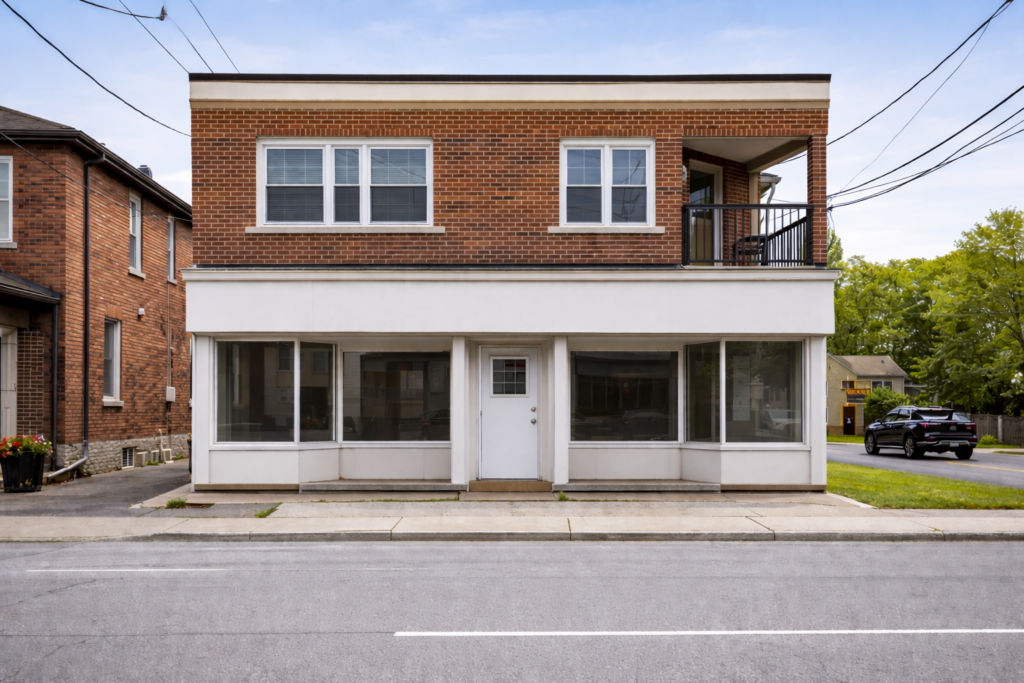
The best types of properties for co-ownership would be multi-unit properties, such as duplexes, triplexes, fourplexes, and more. This is how you’d avoid the roommate disaster or having to share space. Granted, if you wanted to, you could co-own as roommates too…if you really, really, really wanted to.
Commercial properties can also be co-owned, and mixed-use properties are also an option. It’s not JUST for residential properties!
Protect Yourself

I won’t hide that there’s risk with co-ownership, just like there’s risk in any other real estate transaction. There’s a couple other steps you need to take when co-buying.
You need to come to an agreement on what everyone’s role will be, how much their splits will be, what happens if/when somebody wants to move out, and more. You’re also going to need a lawyer to draw up some sort of binding contract/co-ownership agreement.

Choosing the Right Partners
Don’t just co-own with anyone! Choose the right people who you can trust! Look for some of the following traits:
- It goes without saying that you need to confirm solid financials. Nothing in life is free! Partner with people who you know, and are willing to show, that they are financially stable. This means a secure income and employment, and good money habits overall. This isn’t about “avoiding the avocado toast”. It’s about knowing that somebody isn’t going into debt and becoming unable to continue owning due to things like gambling or addiction. It’s also about preserving the friendship by not having to exercise any dispute clauses in your binding co-ownership agreement/contract.
- Choose to co-own with people you get along with. This isn’t about being best friends. It’s about choosing people who know you will be able to cooperate with, and resolve possible disputes with in a peaceful manner.
- Look for people whose home is already clean, tidy, and well maintained! You wouldn’t want to co-own with somebody who ends up being untidy, unsanitary, or who doesn’t put time into maintaining the property they own. This will hinder the property’s value appreciation. If it’s bad enough, it could even devalue the property! So co-owners definitely need to know about how the other co-owners live, and get a sense of how responsible they are.
- Choose like-minded people with a similar vision. It’s great to have all of the above. But what matters is the vision/what property type you want to own and what you want to do with it. Not every co-ownership arrangement will be solely commercial or solely residential. Not everybody’s comfortable with commercial, and not everybody’s comfortable with residential! Mixed-use arrangements can also be a goal (a personal favourite of mine for small business owners in the service industry).
- Choose people who are understanding of the process. This means choosing people who understand that a co-ownership agreement, financial check-up, and fight-preventing contracts aren’t required because of a lack of trust. They’re required to help build it! Without these checks, you may become more reactive to smaller issues, not less, once you’ve already moved in. Protect your sanity (and your friendship!) ahead of time!
Focus on Growing the Equity Long-Term
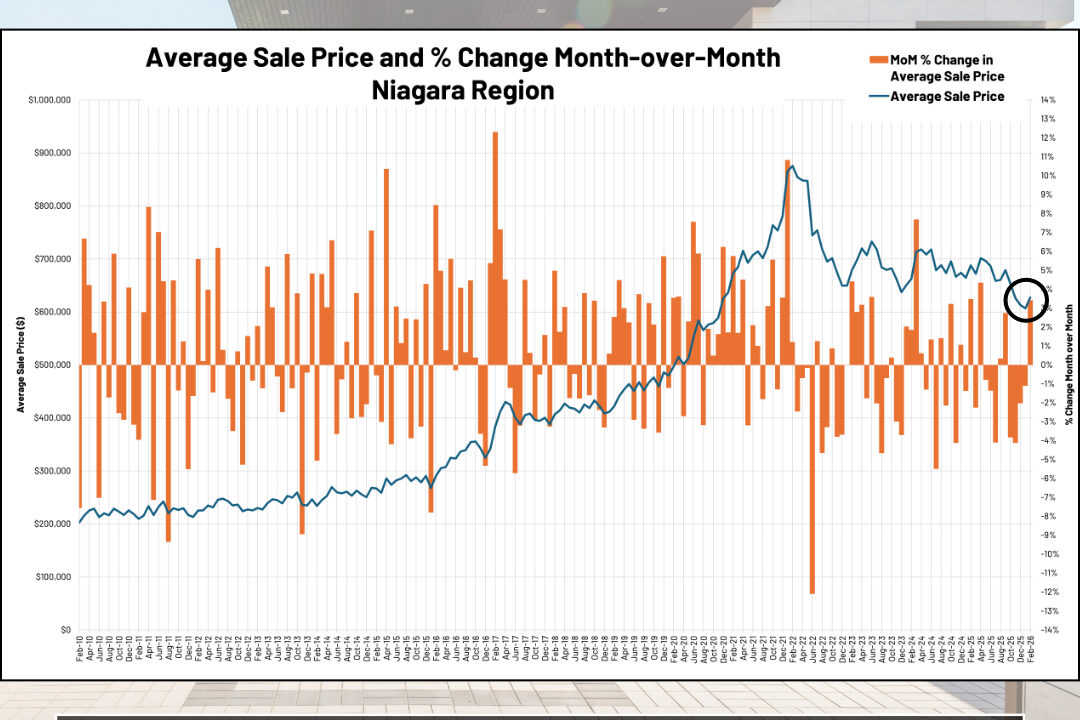
If real estate was just about being a place to live, many would rent and call it a day. But there’s far more to this story than just a space to call home. Owning real estate is a financial strategy.
Historically, real estate has grown in value over the long-term. If you hold a property for 10-20 years or more, it will likely have appreciated like you see in the graph above. Markets fluctuate up and down sometimes (like the sharp price increases in 2021, and the market correction that came afterwards that saw a return of buyer’s markets across the country). A lot of this has to do with market activity and consumer behaviour rather than just the property itself. But over the long-term, real estate has grown in value and that’s the key!
Even a $50,000 increase in equity split among two people is $25,000 in savings each! And let’s be crystal clear: real estate has appreciated far more than that over the last couple of decades for most detached homeowners.